

Headaches can make even simple daily activities difficult. Whether you spend hours working at a desk, manage a busy household, or balance a demanding schedule, recurring head pain can affect concentration, sleep, and overall quality of life.
Two common types are tension-type headaches and migraines. Although they can share some symptoms, they have different characteristics and may require different approaches to treatment. Some people explore chiropractic care, particularly when headaches occur alongside neck discomfort or muscle tension. However, understanding the potential benefits, limitations, and warning signs is essential before choosing a treatment.
Understanding Tension Headaches and Migraines
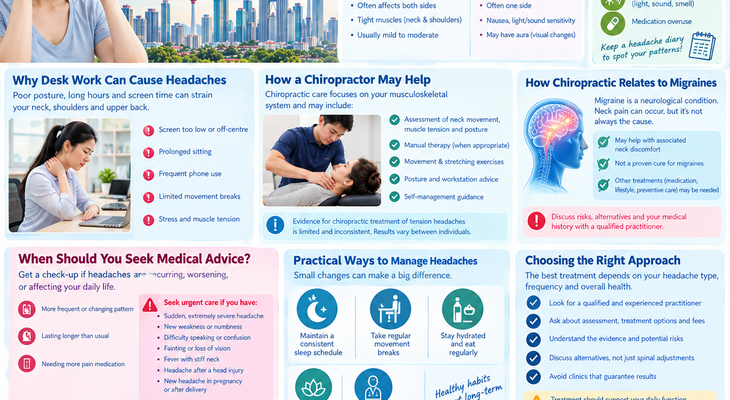
Tension-type headaches often feel like a steady ache, pressure, or tightness around the forehead, temples, or back of the head. The discomfort may affect both sides of the head and can occur alongside tight muscles in the neck and shoulders.
Migraines are neurological episodes that can cause moderate to severe head pain, often with a throbbing or pulsating sensation. They may also involve nausea, sensitivity to light or sound, and difficulty continuing normal activities. Some people experience an aura, such as temporary visual disturbances, before or during a migraine.
These conditions are not interchangeable. Neck tension can accompany either type, but it does not necessarily mean that the neck is the underlying cause. A proper assessment can help distinguish headache types and identify other possible contributors.
What Can Trigger Recurring Headaches?
Headaches may develop for several reasons, and triggers vary from person to person. Identifying patterns can help people make informed decisions about management.
Common factors include:
- Stress and muscle tension: Emotional stress may contribute to tightness around the neck, shoulders, and scalp.
- Prolonged desk work: Remaining in one position for extended periods may contribute to neck discomfort and associated headaches.
- Sleep changes: Irregular sleep schedules or insufficient rest can trigger headaches in some people.
- Dehydration or skipped meals: Not drinking enough fluids or missing meals may contribute to symptoms.
- Sensory triggers: Bright lights, strong smells, or loud sounds may worsen symptoms or trigger migraines in susceptible individuals.
- Medication-related factors: Frequent use of some headache medicines can contribute to medication-overuse headaches.
Keeping a headache diary can help reveal patterns. Record when headaches occur, how long they last, their severity, associated symptoms, sleep habits, and any medicines taken. This information can be useful during a healthcare appointment.
Can a Chiropractor Help With Tension Headaches?
Some people with headaches and associated neck discomfort consider seeing a chiropractor. Chiropractic care may involve an assessment of neck movement, muscle tenderness, posture, and musculoskeletal function, followed by recommendations tailored to the individual’s symptoms.
For selected patients, certain manual therapies and exercises may provide short-term relief from some musculoskeletal neck symptoms. However, evidence for chiropractic treatment of headaches varies by headache type, and improvement is not guaranteed.
People searching for a chiropractor for headaches should look for a qualified practitioner who takes a thorough medical history, assesses possible warning signs, and explains both the potential benefits and risks of treatment.
For tension-type headaches specifically, evidence supporting spinal manipulation is limited and inconsistent. Other approaches, such as relaxation techniques, appropriate exercise, stress management, and medical guidance, may also be helpful.
A chiropractor should not assume that every headache is caused by poor posture or a spinal problem. If the symptoms suggest migraine, another neurological condition, or a different medical cause, referral to an appropriate healthcare professional may be necessary.
How Chiropractic Care May Relate to Migraines
Migraine is a neurological condition involving complex processes that affect the brain and nervous system. It is not simply a headache caused by tight neck muscles, although neck pain and stiffness can occur before, during, or after a migraine episode.
When considering how chiropractic helps with migraines, it is important to distinguish between treating associated musculoskeletal discomfort and treating migraine itself.
Some people report improvement in neck discomfort or headache-related disability after receiving manual therapy. However, research has not established chiropractic spinal manipulation as a reliable treatment for preventing or stopping migraines. Evidence remains limited, and results differ between individuals.
A responsible practitioner should explain these limitations and discuss evidence-based options rather than promising a cure. Depending on the person’s history and symptoms, a healthcare professional may recommend migraine-specific medication, preventive treatment, lifestyle adjustments, or other appropriate therapies.
High-velocity neck manipulation also carries rare but potentially serious risks, including complications involving blood vessels in the neck. Anyone considering this treatment should discuss the risks, alternatives, and personal medical history with a qualified professional. Gentler approaches may be preferable for some individuals.
When Should You Seek Medical Advice?
Recurring headaches deserve attention, especially when they interfere with work, sleep, or everyday activities. Arrange a medical assessment if headaches are becoming more frequent, changing in character, lasting longer than usual, or requiring increasingly frequent pain medication.
Seek emergency medical care for a sudden, extremely severe headache, particularly one that reaches maximum intensity within seconds or minutes. Urgent evaluation is also needed when a headache occurs with new weakness, difficulty speaking, confusion, fainting, loss of vision, or other significant neurological symptoms.
A severe headache accompanied by fever and a stiff neck, or a headache following a significant head injury, also requires urgent assessment.
People experiencing a first severe headache, a new headache during pregnancy or shortly after delivery, or a substantial change in their usual migraine pattern should contact a healthcare professional promptly.
These precautions are important because not every headache is a tension headache or migraine, and some causes require immediate treatment.
Practical Ways to Manage Headaches Alongside Professional Care
Whether or not you pursue chiropractic treatment, practical self-management strategies may help reduce the impact of recurring headaches.
Maintain a Consistent Sleep Schedule
Try to go to bed and wake up at similar times each day. Changes in sleep patterns may contribute to headaches for some people, particularly those who experience migraines.
Take Regular Movement Breaks
If you work at a computer, adjust your workstation so you can sit comfortably without continually bending or twisting your neck. Stand, walk, and change position regularly rather than remaining still for hours.
Stay Hydrated and Eat Regularly
Drink fluids throughout the day and avoid skipping meals if doing so appears to trigger symptoms. Individual needs vary, so pay attention to patterns in your headache diary.
Manage Stress
Gentle exercise, relaxation techniques, breathing exercises, and planned breaks may help reduce stress-related muscle tension. Choose activities that feel comfortable and do not worsen your symptoms.
Discuss Treatment Options With a Healthcare Professional
A clinician can help identify your headache type and determine whether medication, preventive treatment, physical therapy, lifestyle changes, or another approach is appropriate. If you are considering chiropractic care, discuss it as one possible component of a broader management plan rather than a substitute for necessary medical evaluation.
Choosing the Right Approach for Your Headaches
The most appropriate treatment depends on the type of headache, its frequency, associated symptoms, medical history, and impact on daily life.
For tension-type headaches, treatment may focus on stress management, physical activity, and addressing relevant musculoskeletal discomfort. For migraines, management may also require migraine-specific medication or preventive strategies.
A qualified practitioner should explain what an assessment can establish, what a proposed treatment is intended to improve, and how progress will be evaluated. Be cautious of anyone who guarantees that spinal adjustments will eliminate headaches or recommends avoiding medical care.
It is reasonable to ask about the evidence behind a treatment, its potential risks, and non-manual alternatives before making a decision.
Conclusion
Tension headaches and migraines can share symptoms, but they have different characteristics and may need different treatment strategies. Chiropractic care may help some people with associated musculoskeletal neck discomfort, but evidence for treating tension headaches is limited, and chiropractic manipulation is not an established cure for migraines.
If headaches are recurring, worsening, or affecting your quality of life, begin with an appropriate healthcare assessment. Understanding the type of headache and its possible triggers can help you choose a safer, more effective management plan.
The goal is not simply to reduce pain temporarily, but to identify the right combination of care, self-management, and medical support for your individual needs.