

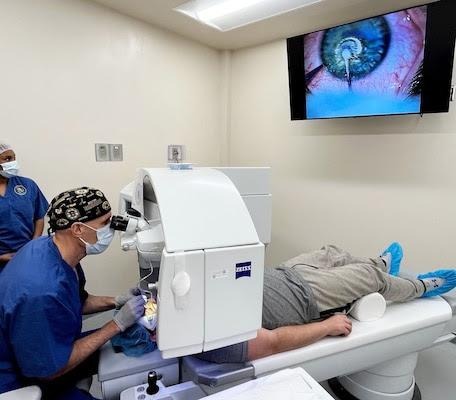
Cataract surgery is designed to improve vision by removing a cloudy lens and replacing it with a clear artificial one. For many people, the results are positive and noticeable within a short time. However, some individuals may feel concerned if their vision does not immediately improve or even seems worse after the procedure.
Understanding why this can happen helps reduce unnecessary worry. In most cases, these changes are temporary and part of the natural healing and adjustment process. Knowing what to expect can make recovery feel more manageable and predictable.
How Vision Changes Right After Surgery
Immediately after cataract surgery, the eye begins a healing process that can temporarily affect clarity. The tissues around the lens may be slightly swollen, and this can cause blurred or fluctuating vision. It is also common to experience sensitivity to light or mild discomfort during this early stage.
Vision may appear brighter but not yet sharp. This can create the impression that something is not quite right, even though the eye is healing as expected. Most of these effects improve within a few days or weeks.
The brain also needs time to adjust to the new visual input, which adds another layer to the experience.
Understanding Why Vision Can Feel Worse
There are several reasons why vision might seem worse after cataract surgery, especially in the early stages. Swelling inside the eye can temporarily distort how light is focused. Dryness on the surface of the eye may also cause fluctuations in clarity.
In some cases, the brain is still adapting to the new lens. After becoming used to cloudy vision over time, the sudden change to clearer input can feel unfamiliar or even uncomfortable at first.
For more detailed insight into these concerns, this explanation of vision worse after explores why temporary changes in clarity can occur during recovery.
The Role of Healing and Inflammation
Inflammation is a natural part of the healing process. While it is usually mild, it can affect how clearly the eye sees during the first few days. Prescribed eye drops help reduce this inflammation and support recovery.
As the swelling decreases, vision typically becomes sharper and more stable. Following medical instructions closely helps ensure that healing progresses smoothly.
Patience during this phase is important, as improvements often happen gradually.
When Adjustment Takes Longer
Not everyone experiences the same recovery timeline. Some individuals may take longer to adjust to their new lens, especially if they have other eye conditions or if their vision was significantly affected before surgery.
The type of intraocular lens used can also influence how vision feels after the procedure. Lenses designed for multiple focal points may require more time for the brain to adapt.
During this period, vision may fluctuate before stabilizing.
Other Possible Causes of Blurred Vision
While temporary changes are common, there are other factors that can affect vision after surgery. Dry eye is one of the most frequent causes of ongoing discomfort and fluctuating clarity. This condition can be managed with appropriate treatment.
Another possibility is posterior capsule opacification, where the membrane behind the artificial lens becomes cloudy over time. This condition is treatable with a simple laser procedure if it occurs.
Regular follow-up visits help identify and address these issues early.
Knowing When to Seek Advice
It is important to distinguish between normal recovery symptoms and signs that may require medical attention. Mild blurriness and sensitivity are expected, but severe pain, sudden vision loss, or increasing redness should be evaluated promptly.
Open communication with an eye care provider ensures that any concerns are addressed quickly and appropriately.
Being informed helps patients feel more confident during recovery.
Comparing Recovery to Other Eye Procedures
Recovery experiences can vary depending on the type of eye procedure. For example, laser-based treatments such as PRK involve a different healing process that may take longer for vision to stabilize.
Understanding these differences helps provide context for cataract surgery recovery. This article on PRK recovery time explains how healing timelines can differ across procedures.
Each approach has its own pace, and cataract surgery is generally associated with relatively quick improvement.
The Importance of Patience and Follow-Up Care
Recovery after cataract surgery is not always immediate, even though improvements often begin quickly. Allowing time for the eye to heal and the brain to adapt is essential for achieving the best results.
Follow-up appointments provide an opportunity to monitor progress and ensure that the eye is healing properly. These visits also allow for adjustments in care if needed.
Staying consistent with aftercare instructions supports a smoother recovery.
A Broader Perspective on Vision Health
Cataract surgery is one part of a larger picture when it comes to vision care. Maintaining overall eye health helps preserve clarity and prevent future issues. Regular checkups and healthy habits contribute to long-term visual well-being.
Globally, vision impairment remains a significant concern, affecting millions of people. For a broader understanding of eye health and prevention, this resource from the World Health Organization provides valuable information about vision care and eye health awareness.
Staying informed supports better decisions and long-term outcomes.
Conclusion
Experiencing changes in vision after cataract surgery can feel unsettling, especially if clarity does not improve right away. In most cases, these changes are temporary and part of the normal healing process.
With time, proper care, and regular follow-up, vision usually becomes clearer and more stable. Understanding the reasons behind these temporary effects can help patients approach recovery with confidence and reassurance.